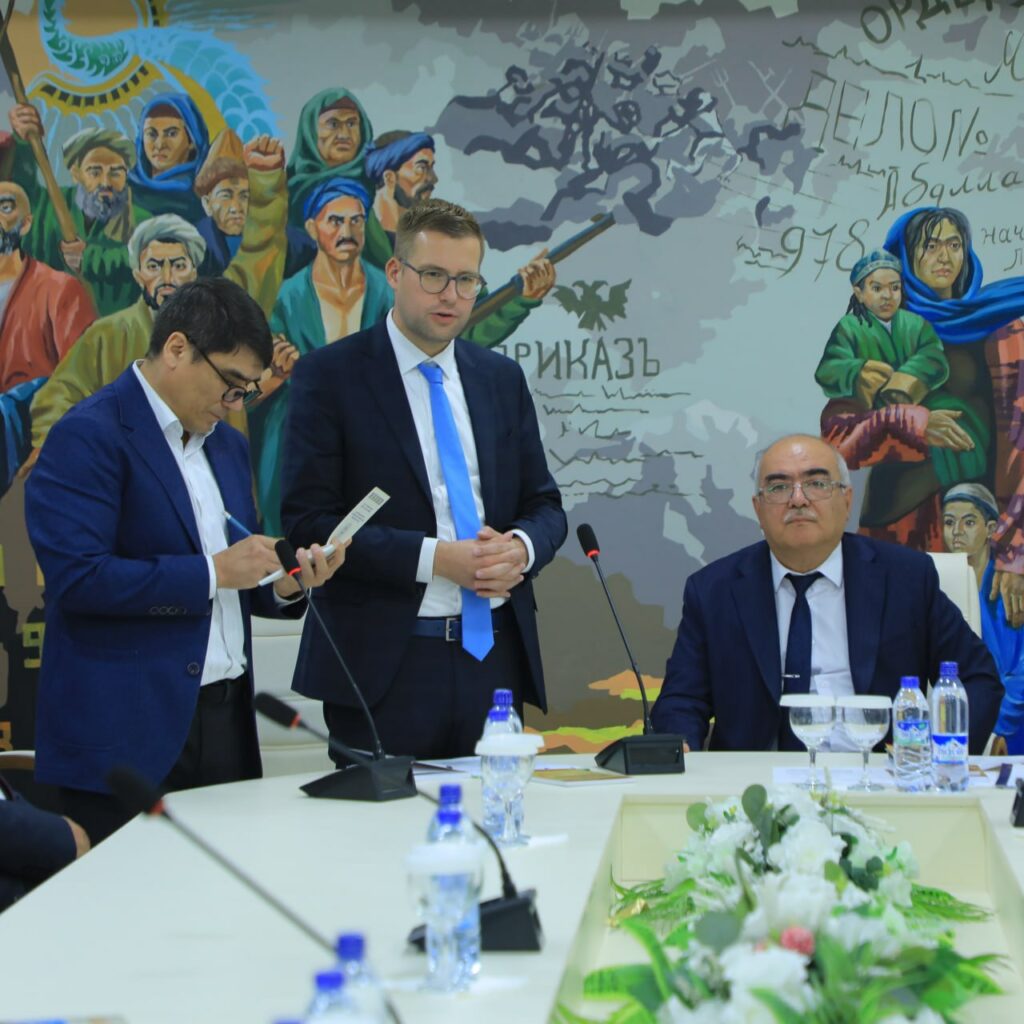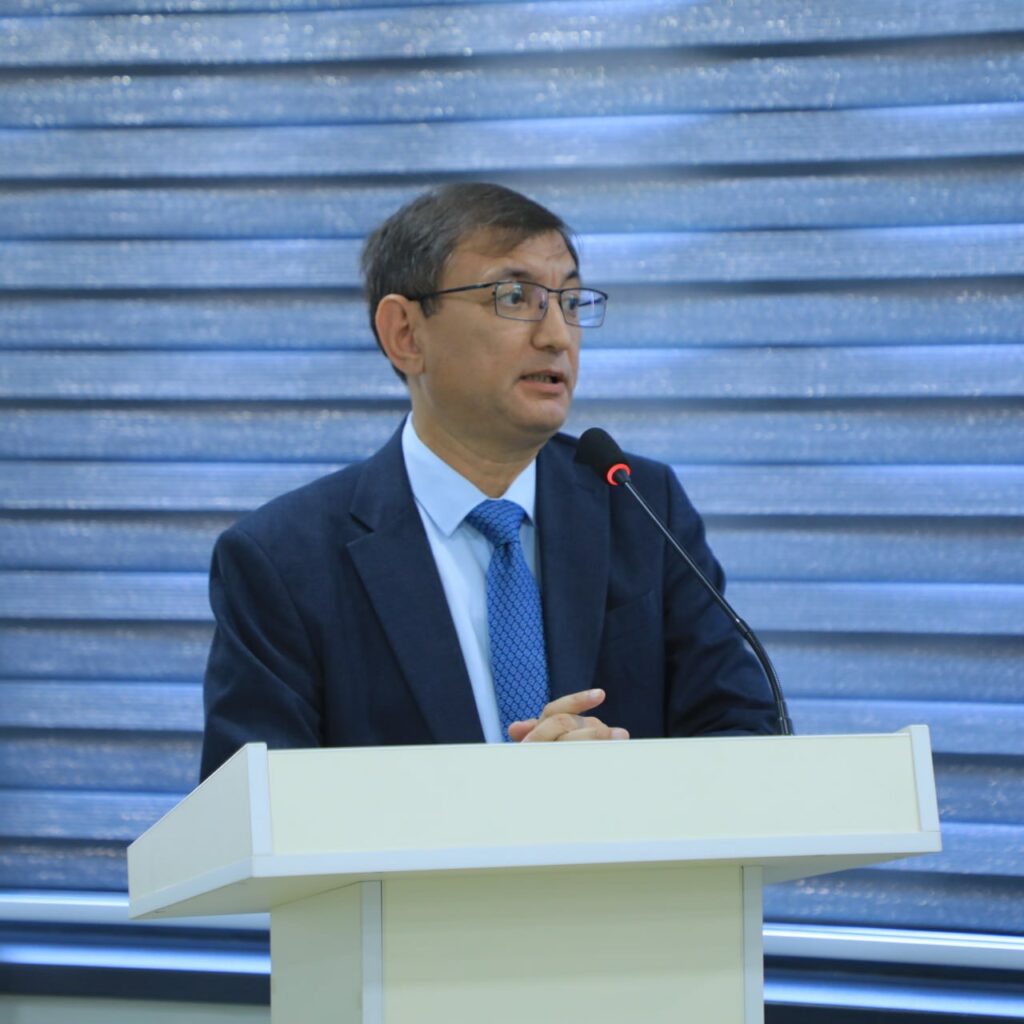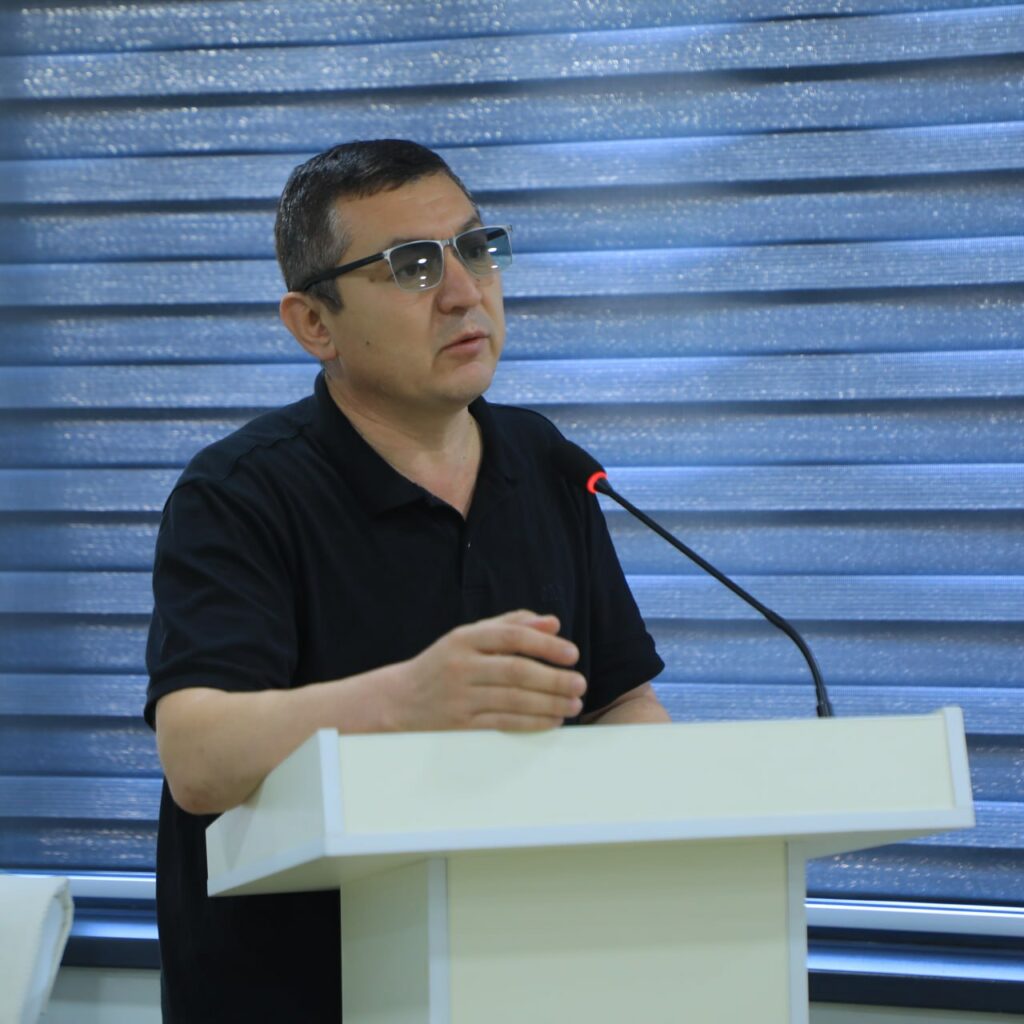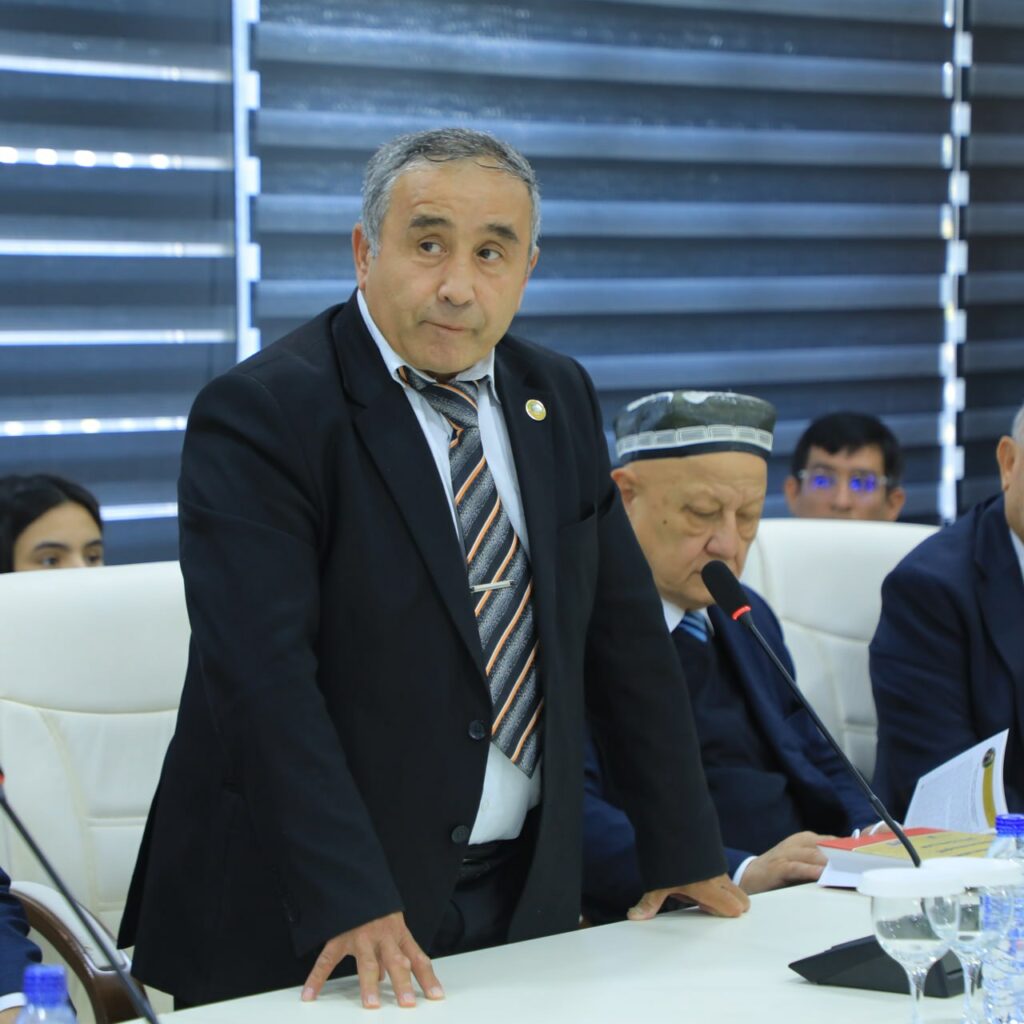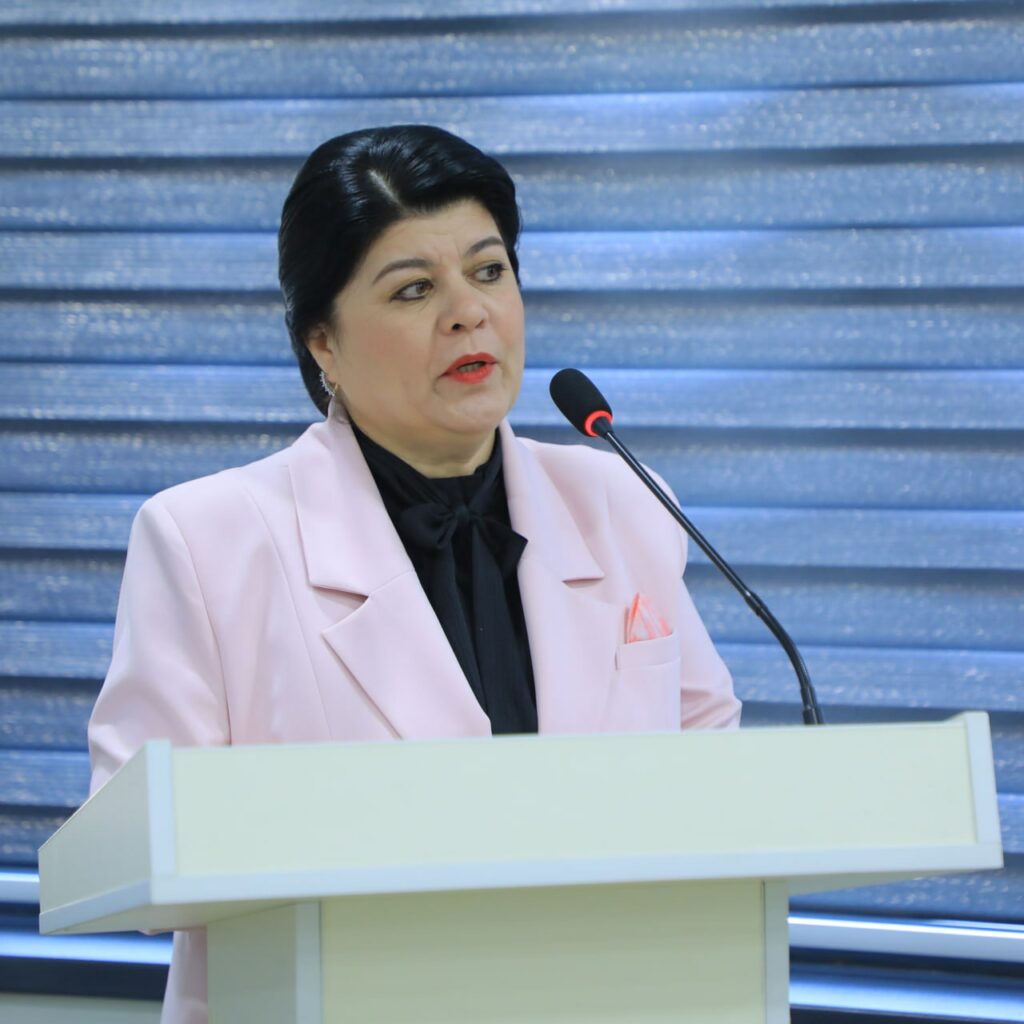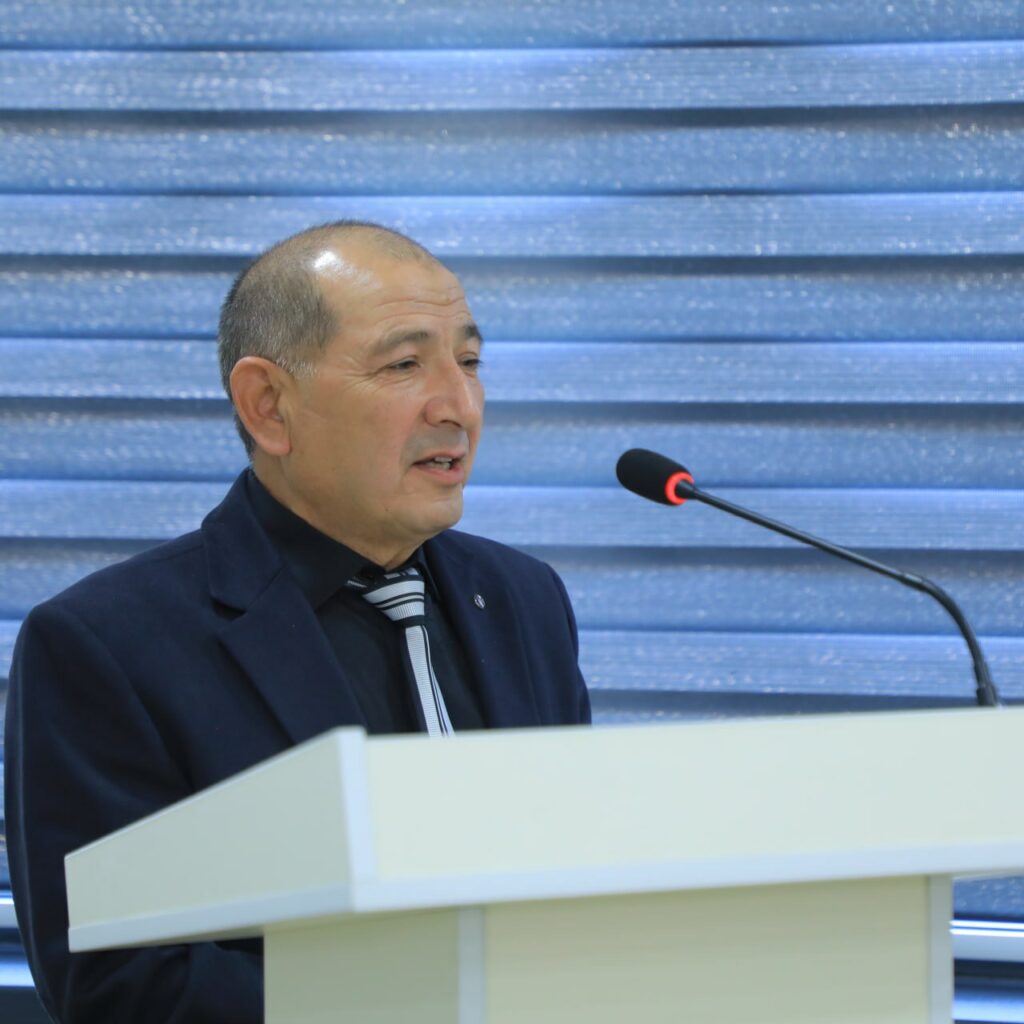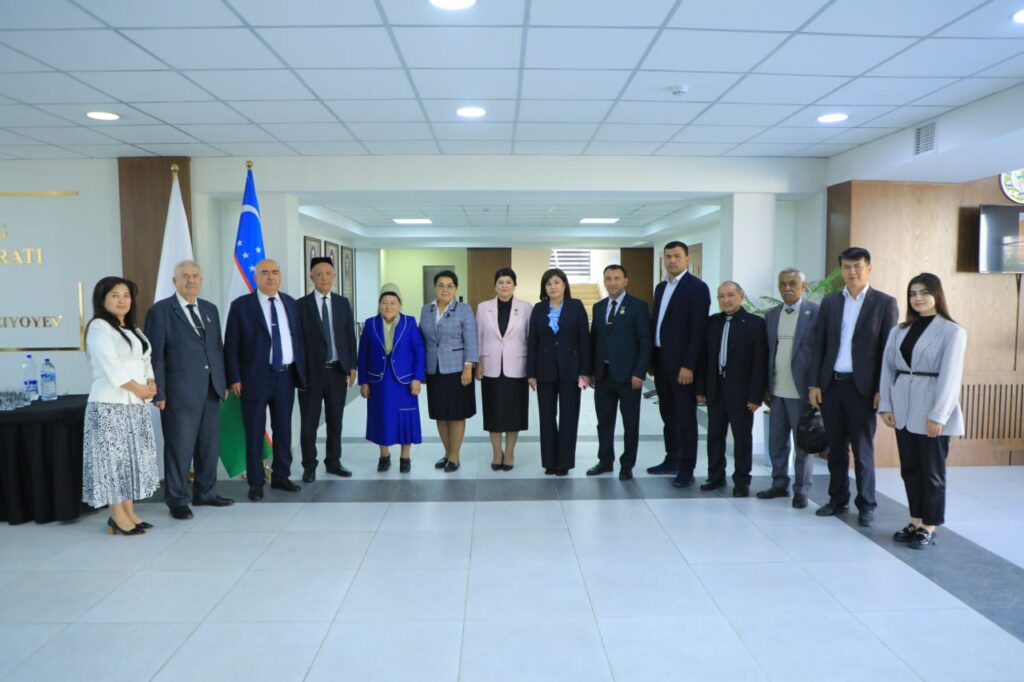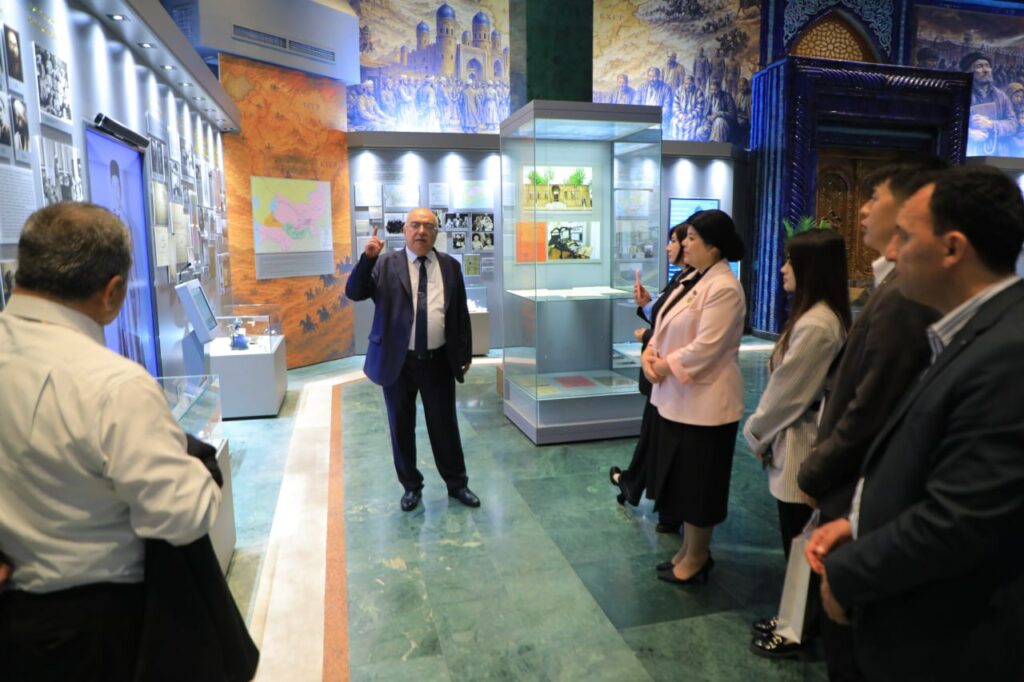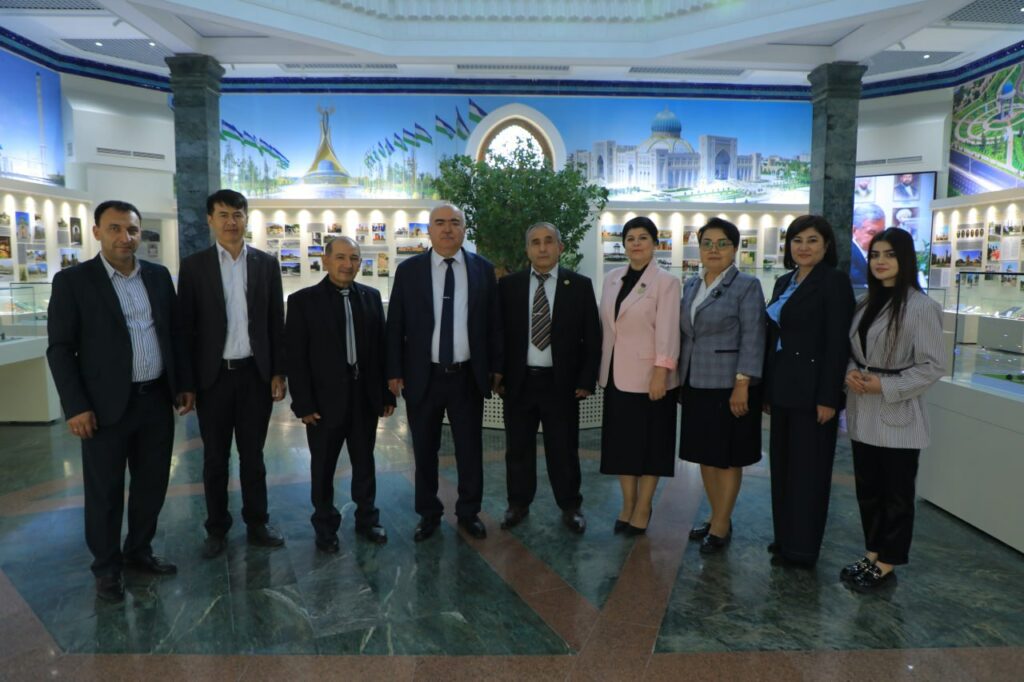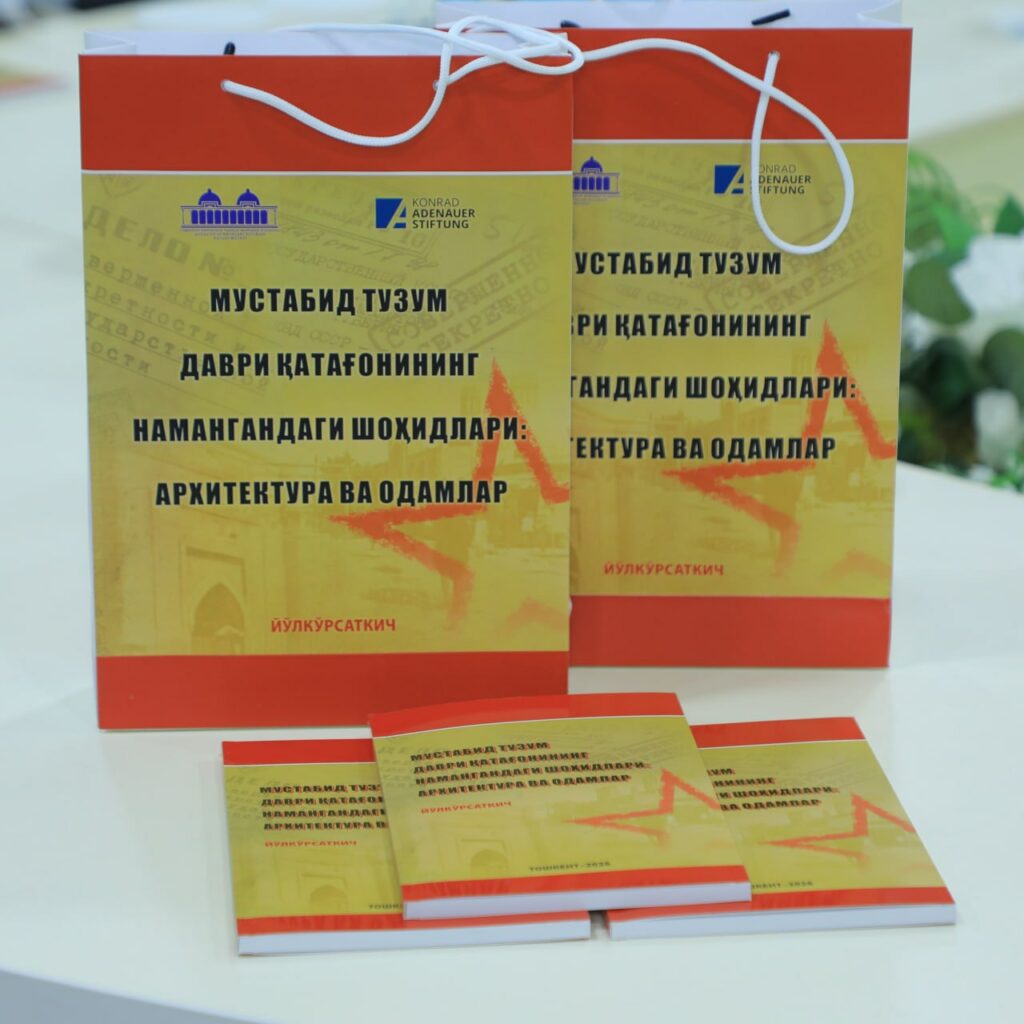
On 16 October 2026, a presentation of the guidebook “Victims of Repression in Namangan during the Era of the Authoritarian Regime: Architecture and People” was held at the State Museum of Memory of Victims of Repression under the Cabinet of Ministers of the Republic of Uzbekistan.
This publication is of considerable scholarly and educational importance in exploring the complex and tragic periods of Uzbekistan’s history, restoring the memory of victims of political repression in Namangan Region, and bringing historical monuments and the stories of the people associated with them to the attention of the wider public.
The book was prepared with financial support from the Representative Office of the Konrad Adenauer Foundation in Uzbekistan. This cooperation is an important example of supporting scholarly research aimed at preserving historical memory, studying the lives and activities of victims of repression in greater depth, and passing the nation’s historical heritage on to future generations.
The scientific expedition to Namangan Region conducted by staff of the State Museum of Memory of Victims of Repression played a particularly important role in preparing the publication. During the expedition, research was carried out into the region’s historical and cultural heritage, sites associated with the period of repression, and the lives of the people connected with them. A video dedicated to the Namangan expedition was also shown during the event.
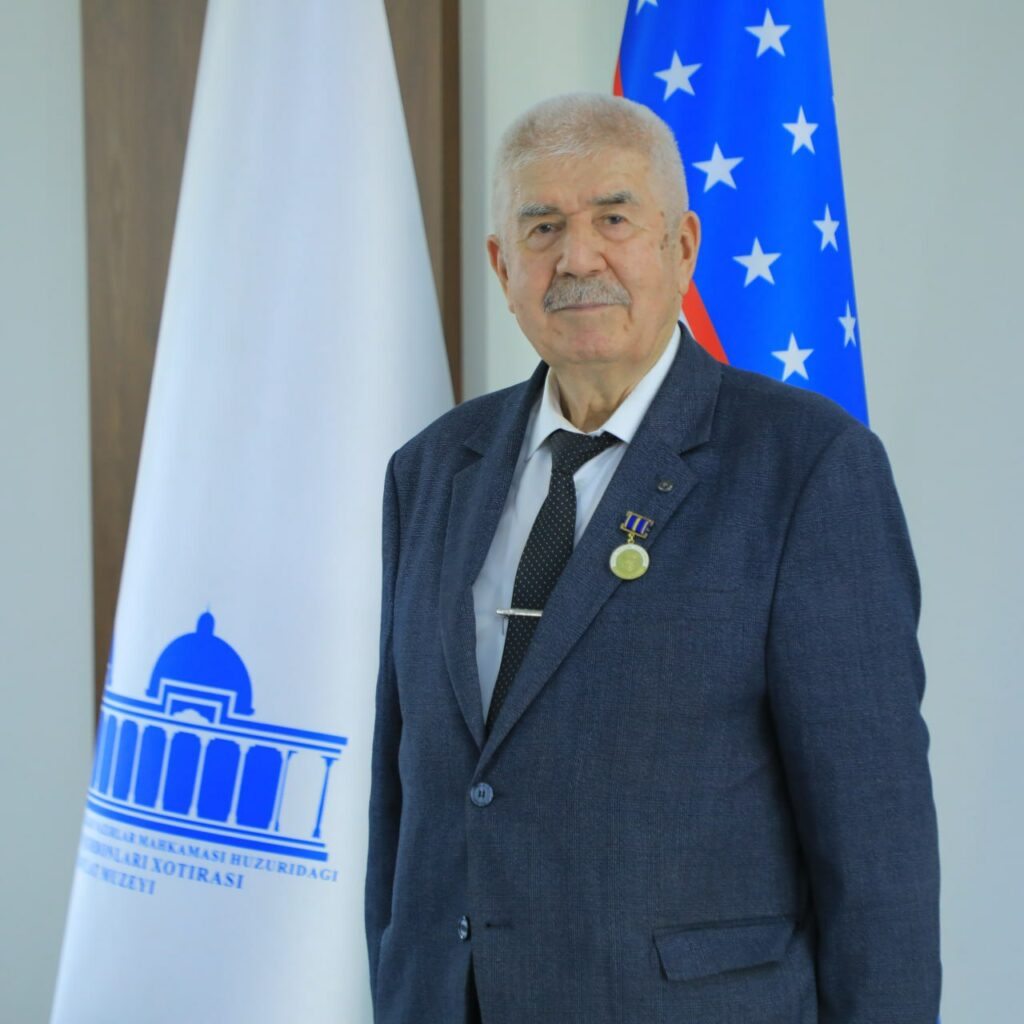
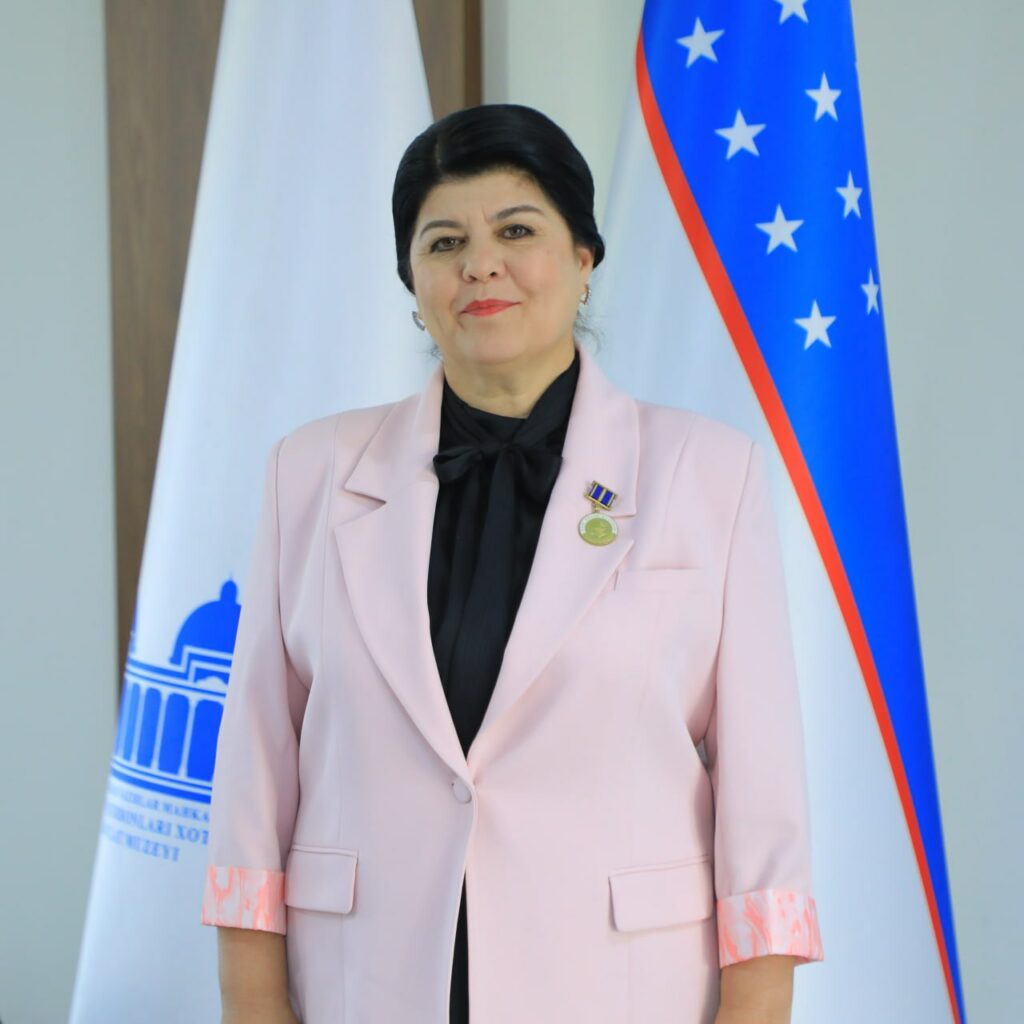
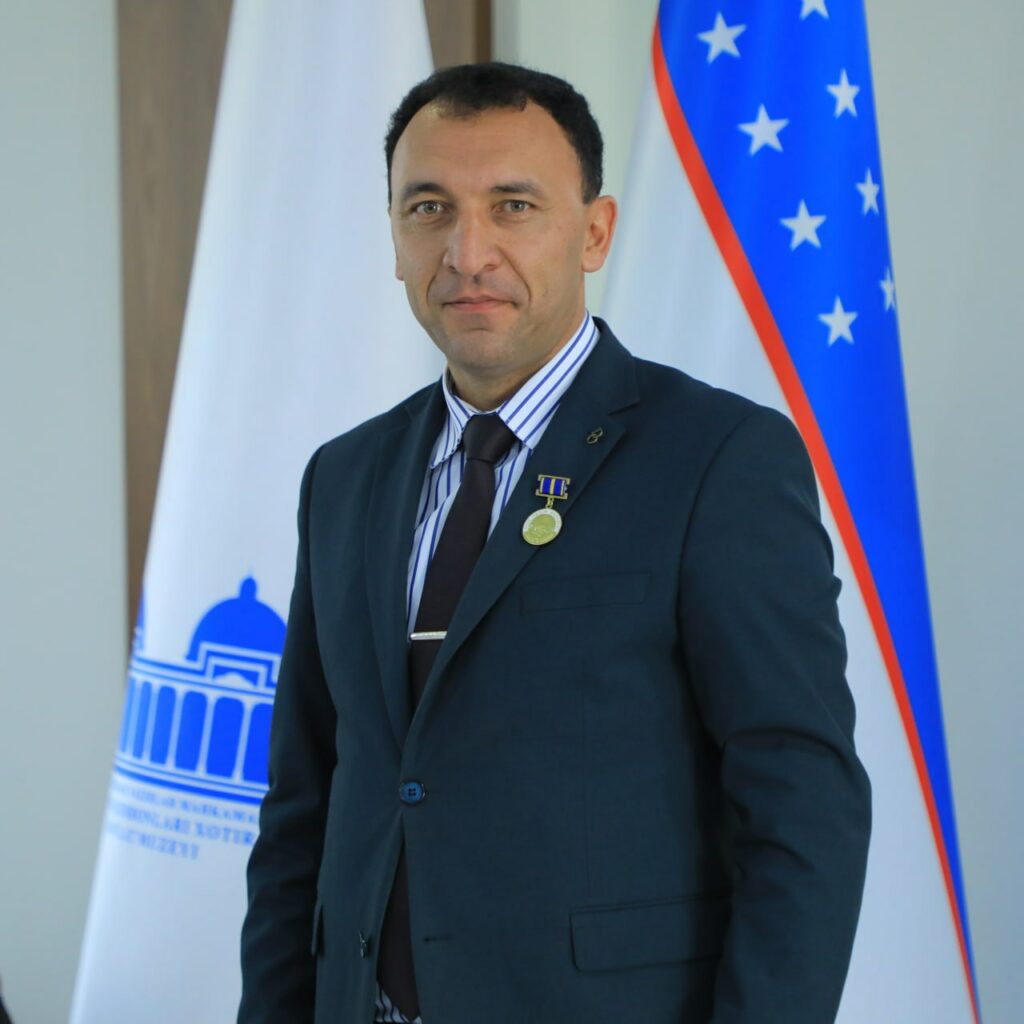
Another noteworthy aspect of the event was the presentation of the “Excellence in Higher Education” breast badges to three heads of regional museums by the Ministry of Higher Education. This recognition was a significant tribute to their work in education and public enlightenment, as well as their contributions to preserving cultural heritage.
The presentation marked an important step towards strengthening scholarly cooperation, restoring historical truth, and preserving the memory of victims of repression for generations to come.
Understanding history, remembering the lessons of the past, and upholding human dignity are responsibilities we bear towards the future.